
Reggae began in Jamaica, evolving from ska and rocksteady into a sound defined by deep basslines, offbeat rhythms, and expressive vocals. From the late 1960s, Jamaican musicians brought that sound to Canada, building a vibrant reggae scene through Toronto’s record shops, studios, and live performances.
This list celebrates 12 reggae artists with strong Canadian connections, from singers and instrumentalists to dub poets and bands. Some were born in Canada, while others built their careers here.
It’s an editorial listening guide, not a ranking. Each artist comes with a recommended recording and something worth listening for.
What Makes a Reggae Voice Influential?
Reggae’s foundations lie in Jamaica, where ska and rocksteady preceded it. Canada’s JUNO Awards introduced a reggae/calypso category in 1985, reflecting the music’s growing presence here.
What makes an artist influential in Canada’s reggae history? Five qualities guide this selection:
- Voice: A tone or phrasing you’d recognize within a few bars, whether it’s a smooth tenor or a commanding chant.
- Songwriting: Lyrics with a point of view, from love songs to pointed social commentary.
- Rhythm: Reggae lives in the bass, drums, and keyboards, so players and bands count as much as singers.
- Cultural Contribution: Running a record shop, opening doors for other artists, or bringing new forms such as dub poetry into the scene.
- Recordings: A release you can find and hear today, with credits you can check.
These qualities make room for instrumentalists, dub poets, and bands, not only lead singers. A Canadian career can be an important part of a Jamaican-born artist’s story.
12 Canadian Reggae Artists and Their Essential Recordings
These recordings offer starting points, not definitive choices. Check release dates and credits when exploring reissues.
1. Leroy Sibbles
Leroy Sibbles came to Toronto after establishing himself with The Heptones and as a Studio One bassist and arranger in Jamaica. His Canadian solo recordings reveal a different side of his smooth tenor from the group’s famous harmonies.
Start listening: Evidence (1982). The album blends reggae with soul and pop. Hear how Sibbles’ unhurried phrasing sits above the bass-led rhythm; session credits, rather than assumptions about his Studio One work, identify the players.
2. Jackie Mittoo
Jackie Mittoo belongs on this list for his keyboard work, not as a conventional reggae singer. After shaping the Studio One sound in Kingston, he recorded in Toronto, bringing his organ-led style into new arrangements.
Start listening: Wishbone (1971). Recorded at Toronto’s Eastern Sound studio, it is largely instrumental, with organ melodies at the centre and soul-influenced orchestration around them. Some tracks include Mittoo’s vocals. The contrast between his lightly syncopated keyboard lines and the fuller arrangements shows how Jamaican musicians adapted their sound while recording in Canada.
3. Nana McLean
Born in Jamaica, Nana McLean built a substantial career in Toronto after recording in Kingston. Her contribution includes singing and supporting reggae’s local record-store and music communities.
Start listening: Collector’s Series. This compilation earned a 1997 JUNO for reggae recording. Hear how McLean shapes each lyric with melodic control; confirm original dates when listening to collected tracks.
4. Lillian Allen
Born in Jamaica, Lillian Allen developed her career in Toronto as a leading dub poet. She delivers spoken and chanted poetry over reggae-derived rhythms, giving language and political ideas equal weight with the beat.
Start listening: Revolutionary Tea Party (1986), a JUNO-winning album. Hear how Allen’s cadence and emphasis build momentum on tracks such as “I Fight Back” and “Riddim an’ Hardtimes.”
5. Messenjah
Rupert “Ojiji” Harvey and Errol Blackwood were among the musicians who formed Messenjah in Kitchener, Ontario. Its group sound helped bring Canadian roots reggae to wider audiences.
Start listening: Rock You High, issued independently in 1982 and later through Warner Music Canada. Listen for a tight rhythm section supporting the band’s roots-reggae vocals.
6. Sonia Collymore
Barbados-born, Toronto-based Sonia Collymore brings a soulful, jazz-influenced voice to reggae. She won JUNO Awards in 2003 for “You Won’t See Me Cry” and in 2005 for WYSIWYG.
Start listening: “Breathe.” Her early single shows her warm tone and careful melodic phrasing over a reggae groove.
7. Chester Miller
Chester Miller moved from Jamaica to Toronto as a child and built a Canadian career in reggae and dancehall. His melodic, roots-oriented style invites comparison with classic Jamaican vocalists.
Start listening: Never Let Jah Go, a 2002 JUNO-nominated recording. Listen for melodic phrasing and the spiritual themes in Miller’s writing.
8. Exco Levi
Jamaican-born Exco Levi relocated to Canada in 2005 and established a career in Brampton. His roots-reggae songs combine social themes with contemporary rhythmic delivery; by 2025, he had won six reggae JUNO Awards.
Start listening: Narrative (2017), which later received a JUNO nomination. Hear the balance of roots production and contemporary arrangements, particularly the strong drum-and-bass emphasis.
9. Ammoye
Jamaican-born, Toronto-based Ammoye brings reggae together with soul, gospel and R&B. Her approach moves between styles without losing her expressive vocal identity.
Start listening: Water, a 2023 JUNO-nominated release. Hear how her voice carries across rocksteady, dancehall and contemporary production.
10. Kirk Diamond
Kirk Diamond was born in Jamaica and grew up in Brampton. His roots-reggae songs connect Jamaican influences with his Canadian experience. Brampton named Kirk Diamond Park in his honour.
Start listening: Dread (Kirk Diamond and Finn), the duo’s 2024 JUNO-winning recording. Diamond’s bright vocals meet Finn’s roots-oriented production; both artists deserve credit.
11. Tasha T
Toronto-born Tasha T draws on Jamaican heritage and addresses politics, violence, and faith through singing and rhythmic, deejay-style delivery.
Start listening: Real Talk (2014), a JUNO-nominated album. Hear how her emphatic cadence reinforces the title track’s social message.
12. Kairo McLean
Toronto-born Kairo McLean grew up around classic reggae and started playing drums before developing his singing. That rhythmic background informs his roots-reggae phrasing.
Start listening: “Easy Now” (2021), the title track of his debut EP. Listen for a calm, assured delivery carrying its message against violence and corruption.
How to Build Your Reggae Listening Path
If a sound catches your ear, these approaches can take you deeper. Move between artists and recordings instead of treating one compilation or playlist as the whole history. Pay attention to the players and producers behind a track: reggae’s musical vocabulary developed through collaboration as much as individual fame.
- Follow a Voice into an Album: If one song grabs you, play the full album it came from, then look up who produced it and who played on it. Credits often lead you to the next artist.
- Compare Harmony Groups with Solo Singers: Play a Heptones record next to Leroy Sibbles’ Evidence and notice how a lead voice changes when the three-part harmonies fall away.
- Explore Roots, Lovers Rock, and Earlier Styles: Roots reggae carries the spiritual and social messages, while lovers rock is the smoother, romantic strand. Ska and rocksteady came first, and you can still hear them in records like Jackie Mittoo’s Wishbone.
Compilations can help you explore long careers, but check dates and credits: they may combine originals, remakes, and alternate mixes.
Dancehall emerged from Jamaican reggae culture but developed its own rhythms and performance practices. It belongs in the wider conversation without being interchangeable with reggae.
Discover Reggae Entertainment with ONQ Live
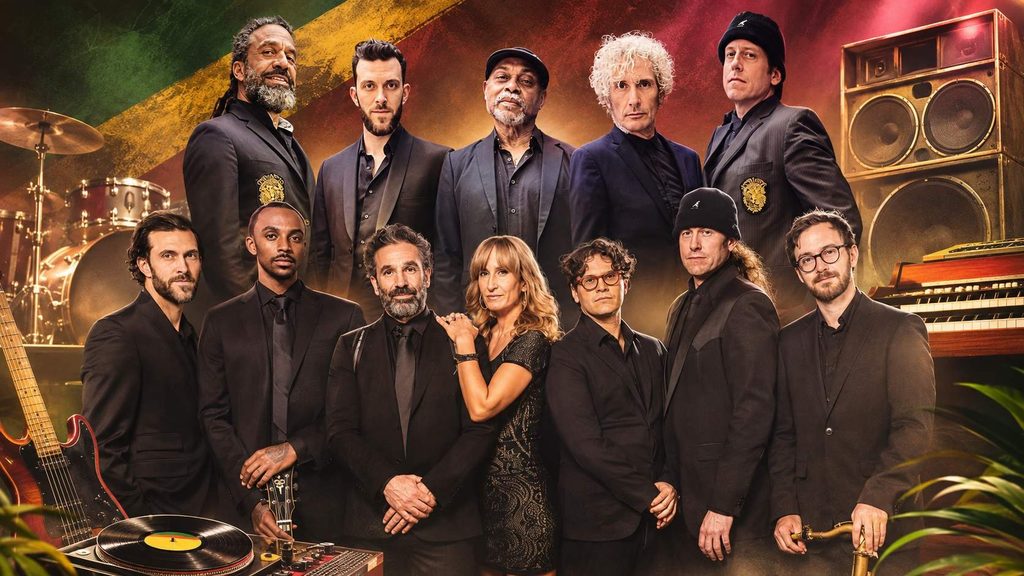
The 12 artists above are an editorial selection, not ONQ Live’s booking roster. For events, ONQ lists separate acts with reggae in their repertoire. A featured tribute performance and a multi-genre dance band offer different experiences: the former focuses on a recognizable musical catalogue, while the latter can mix reggae into a broader evening. Confirm current availability, lineup, and song choices before booking.
- Bob Marley Tribute: One Love Project is listed by ONQ for reggae and Bob Marley tribute performances. Its musicians interpret the songs; the original Wailers and Marley family are not part of the act. Confirm the proposed lineup and setlist.
- Multi-Genre Party Band: Dance Deluxe performs pop, Motown, disco, Latin, hip-hop and reggae. It may suit an event wanting reggae within a broader party programme rather than an exclusively reggae set.
Ensemble size affects the atmosphere. Explore ONQ’s live bands and ask which configuration best suits your venue and programme. Reggae’s relaxed grooves can suit receptions, while livelier arrangements can support dancing. Discuss the pacing of your corporate event entertainment with ONQ.
Share your date, venue, audience and preferred reggae sound, from classic Marley to a broader party mix. Repertoire, travel and availability all require confirmation.
Frequently Asked Questions
1. Why do different editions of a reggae album sometimes contain different mixes?
Reissues may use alternate tapes, radio edits, remastering, or bonus tracks. Compare the track list, running times, and release notes before choosing an edition.
2. What does “version” mean on a Jamaican single?
On Jamaican singles, “version” often labels an instrumental or dub-oriented take on the main song’s rhythm. Its exact meaning varies by producer, era, and release.
3. Do I need to understand Jamaican Patois to enjoy reggae?
No. Rhythm and vocal expression come through even when you don’t know every word. Jamaican Patois has its own grammar and history; reliable lyric notes can help explain unfamiliar references.
4. Can a reggae performance include a short explanation of a song’s cultural background?
Possibly, if agreed with the performer in advance. A short spoken introduction is not the same as a formal educational workshop; clarify the format and timing.
5. How can I inquire about reggae entertainment through ONQ?
Share your date, venue, audience, and desired format, such as a Marley tribute or mixed party band. You can book an artist through an ONQ enquiry; availability, repertoire, and scope must be confirmed.