
December is when many people hear gospel without going looking for it. A choir lifts “Joy to the World” at a holiday concert, a soloist stretches the last line of “Silent Night,” and a room that came for carols ends up on its feet.
That sound grew out of Christian faith and Black American musical traditions. This guide follows it north, to the gospel singers and artists who have helped shape Canada’s scene. Some were born here. Others built their careers here after arriving from Jamaica or the United States, and one Ontario-born singer did most of his work south of the border.
Treat it as an editorial selection, not a ranking. Each profile gives you a recording to start with, what to listen for, and, where one exists, a Christmas album to put on this season.
What Makes a Gospel Voice Distinctive?
A great gospel voice is defined less by how loud it gets than by what it does with a line. Black gospel is rooted in the solo and responsive church singing of the African American South, and that exchange still shapes how gospel singers phrase, harmonize, and lead.
Listen for these elements:
- Expressive Phrasing: Singers bend, stretch, or delay notes to lean on the words that carry the most meaning.
- Vocal Tone: Grit, warmth, or a clear and steady sound each gives a song a different emotional colour.
- Improvisation: A lead voice may add runs or repeat a phrase until the room responds, so no two performances match.
- Harmony and Call-and-Response: A choir or group answers the lead, echoes it, or builds chords beneath it, much as a congregation answers a preacher.
None of this is technique for its own sake. A held note on a single word, or a choir swelling under a soloist, points the listener back to what the song is saying. That’s why the same craft sounds so different in a quiet hymn and in a full-throated praise number, and why a Caribbean praise medley, a Black church choir, and a Vancouver vocal trio can all be gospel without sounding alike.
Christmas makes these choices easy to hear. Carols are melodies nearly everyone knows, so when a choir reshapes “O Come, All Ye Faithful” or a soloist improvises over “Silent Night,” you can hear exactly where the artist made the song their own.
It also helps to know who is doing what. Gospel music artists contribute in different roles: a lead singer carries the melody, a choir director shapes the arrangement and its dynamics, an instrumentalist sets the groove on organ or piano, and a vocal group blends a few voices into close harmony. The artists below cover several of these roles.
10 Canadian Gospel Artists Who Helped Shape the Sound
This list mixes hymn singers, choirs, solo voices, and vocal groups, and not every artist on it was born in Canada. What they share is a lasting contribution to gospel made in this country or by a Canadian-born voice.
1. George Beverly Shea
George Beverly Shea was born in Winchester, Ontario, in 1909 and became one of the most familiar hymn voices of the 20th century. His baritone made well-worn hymns sound personal rather than grand. Most of his career unfolded in the United States, where he worked alongside evangelist Billy Graham for more than 60 years.
- Start Listening: “How Great Thou Art,” in Shea’s rendition, an example of his devotional singing.
- Listen For: Clear diction, a sustained tone, and a direct, devotional delivery that lets the words lead.
- Christmas Pick: His early carol recordings, including “Away in a Manger” and “Silent Night” from his 1953 album Christmas Hymns.
2. Sharon Riley & Faith Chorale
Sharon Riley began singing with a Toronto gospel ensemble while recovering from a serious 1990 car accident, and in 1992 she co-founded Faith Chorale with Robert Picart and Sharon McLeod. Its members come from Canada, the Caribbean, England, and South America, and the group won the 1999 JUNO Award for Best Gospel Album. Riley’s rich lead voice takes centre stage, but the ensemble’s harmonies and contemporary arrangements are equally important to its sound.
- Start Listening: Integrity, recorded live at Toronto’s Church on the Queensway.
- Listen For: How Riley’s solo lines hand off to the full choir, and how the choir answers her rather than simply backing her.
- Christmas Note: The ensemble has appeared in CBC’s musical Christmas Soul.
3. Toronto Mass Choir
Toronto Mass Choir has been a fixture of Canadian gospel since 1988, blending contemporary and traditional gospel with Caribbean musical influences. Karen Burke, a co-founder, has served as the choir’s principal conductor and artistic director since its formation. Its album Instrument of Praise won the 2003 JUNO Award for Contemporary Christian/Gospel Album of the Year, alongside several other honours.
- Start Listening: Instrument of Praise.
- Listen For: The ensemble’s dynamic harmonies and the exchange between lead singers and the full choir.
- Christmas Pick: A Christmas Gift (2010) features Christmas favourites such as “We Three Kings” and “Silent Night,” interpreted through Toronto Mass Choir’s distinctive gospel sound.
4. Montreal Jubilation Gospel Choir
Founded in 1982 by Trevor W. Payne, the Montreal Jubilation Gospel Choir has become an important part of Canada’s gospel music scene. Its first album, Highway to Heaven, was recorded live in 1985 and released in 1986. Known for expressive harmonies and arrangements that draw on spirituals and diverse musical traditions, the choir has also established a strong connection with Montreal’s Christmas celebrations.
- Start Listening: Jubilation I – Highway to Heaven.
- Listen For: The rich harmonies of the original 50-plus-member choir and the interplay between lead vocalists and the full ensemble.
- Christmas Pick: Jubilation V – Joy to the World, a JUNO-winning Christmas album featuring “Silent Night,” “Go Tell It on the Mountain” and a “Calypso Christmas Medley.”
5. Londa Larmond
Toronto-born Londa Larmond, raised by Jamaican parents, brings urban contemporary gospel together with rhythm and blues (R&B). Her debut, Love Letters (EMI Gospel, 2001), earned her nominations at the Dove Awards and the Junos. She also serves as a worship leader in Toronto.
- Start Listening: Love Letters.
- Listen For: Her distinctive vocal texture, melodic phrasing, and the polished contemporary production around her voice.
6. Patricia Shirley
Toronto’s Patricia Shirley, also known as Patricia Shirley Okujene, is a gospel singer, worship leader, and preacher with a wide range and an R&B-influenced inspirational sound. Her single “Real Love” won the Canadian Urban Music Award for Gospel Recording of the Year, and she has earned Juno and Covenant Award nominations. Fellow singers respect her as a vocalist’s vocalist. She also teaches vocal improvisation as a clinician at Toronto Mass Choir’s PowerUp workshop.
- Start Listening: “Real Love.”
- Listen For: The way she ties melodic control to the song’s message, building power without losing the words.
7. Marvia Providence
Born in Lionel Town, Clarendon, Jamaica, Marvia Providence moved to Toronto in her youth and has built her gospel ministry from Canada. Her song “Hear My Cry” became a praise and worship hit in Jamaica in 2005. Her style draws on Caribbean rhythms and traditional Southern gospel, often in high-energy live medleys.
- Start Listening: “Hear My Cry (O Lord).”
- Listen For: Rhythmic energy and vocal exhortation, the moments where she urges the room to respond.
8. The Sojourners
The Sojourners formed in Vancouver in 2006 after blues musician Jim Byrnes invited gospel singer Marcus Mosely to gather fellow vocalists for a recording s
ession. Mosely, Will Sanders and Ron Small contributed backing vocals to Byrnes’ album House of Refuge, and the collaboration developed into a gospel trio. The group’s sound draws on American church traditions, combining close harmonies with influences from doo-wop, R&B, country, and blues. Black Hen Music, the group’s record label, documents its early history and recordings.
- Start Listening: Hold On (2007), the group’s debut album.
- Listen For: The distinct character of each voice and how the singers blend their harmonies with minimal instrumental accompaniment.
9. Warren Dean Flandez
Warren Dean Flandez was born in Yellowknife and built his music career in Vancouver, blending gospel roots with soul and contemporary production. He grew up singing in church and joined a soul gospel choir at age 15. His first full-length gospel album, Eternally Grateful, earned a 2017 JUNO nomination for Contemporary Christian/Gospel Album of the Year.
- Start Listening: Eternally Grateful.
- Listen For: His vocal range and the way inspirational themes blend with rhythmic, soul-influenced arrangements.
- Christmas Pick: A Soul Christmas (2005), a five-track holiday release credited to Warren Flandez.
10. Brian Doerksen
Brian Doerksen (1965–2026) was a Canadian singer-songwriter and worship leader from Abbotsford, British Columbia, whose music helped shape contemporary Christian worship. His songs, including “Refiner’s Fire,” “Faithful One,” and “Come, Now Is the Time to Worship,” became widely known in Christian communities. His approach emphasized accessible melodies and congregational singing, distinguishing his musical tradition from the lead-and-response style often associated with Black gospel.
- Start Listening: “Come, Now Is the Time to Worship.”
- Listen For: Accessible melodies and arrangements designed for collective singing.
- Christmas Pick: The Heart of Christmas (2019), his JUNO-nominated album featuring 13 original Christmas songs alongside interpretations of traditional carols, including “It Came Upon the Midnight Clear” and “Silent Night.”
How These Artists Reflect Canada’s Gospel Scene
Canada’s gospel scene brings several musical traditions together, particularly during the Christmas concert season:
- Black Church Choirs: Toronto Mass Choir, Faith Chorale, and Montreal Jubilation Gospel Choir showcase the exchange between lead singers and layered choral harmonies.
- Caribbean Influences: Marvia Providence brings Caribbean rhythms to praise music, while Toronto Mass Choir’s Going Home explores reggae, calypso, ska and soca.
- Vocal-Group Harmony: The Sojourners keep the close-harmony sound of mid-century quartets and jubilee groups alive.
- Contemporary Solo Work: Londa Larmond, Patricia Shirley, and Warren Dean Flandez fold R&B, soul, and modern production into gospel singing.
Contemporary Christian worship, a tradition Brian Doerksen helped shape, overlaps with gospel in its devotional purpose but has a different musical history. Many worship songs emphasize accessible congregational melodies, while Black gospel often features expressive lead singing, improvisation, and choir response. Both may have a place in Christmas celebrations, depending on the setting.
Modern Black gospel developed within African American churches, with Thomas A. Dorsey helping shape its twentieth-century sound. Canadian performers have drawn on that foundation while developing approaches influenced by Caribbean music, choral traditions and blues.
The Christmas season brings many of these styles into focus through carol concerts, choir performances and gospel arrangements of familiar songs.
Discover Gospel Performers with ONQ Live for Your Christmas Event
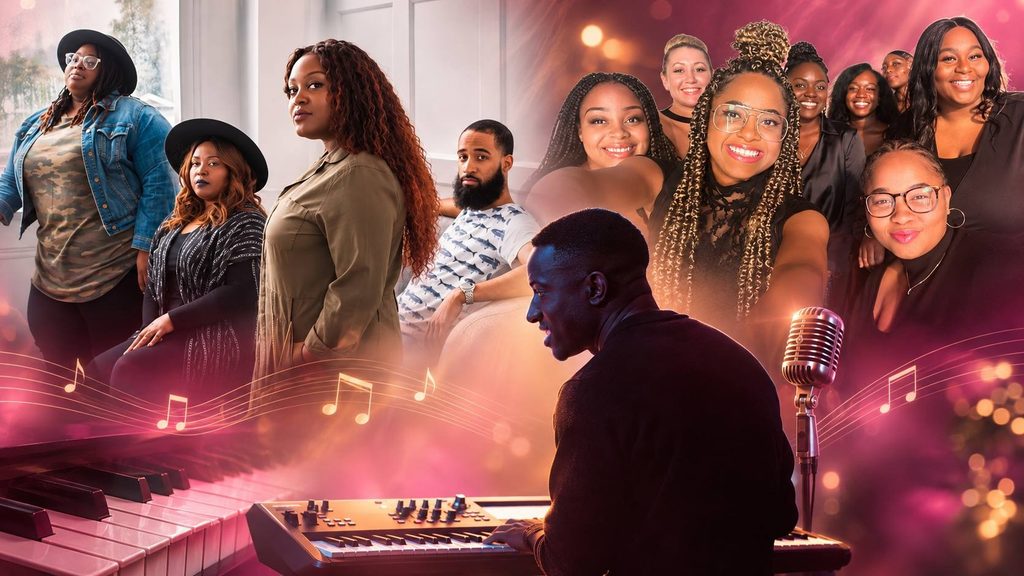
Christmas celebrations call for music that brings people together, whether it’s the rich harmonies of a gospel choir or a soulful instrumental performance. ONQ Live offers a selection of gospel singers and performers who can bring that atmosphere to corporate holiday parties, Christmas concerts, and community celebrations. Explore the artists below to find a sound that suits your event.
- New Genesis Gospel Chorale: An ensemble performing traditional, contemporary, jazz and classical gospel. Its choral sound may suit a holiday concert or gala; confirm Christmas repertoire, choir size and accompaniment.
- Intercession: A gospel vocal collective centred on faith and music ministry. Ask about the proposed lineup, Christmas song selections and event format.
- Liam Myrie: A Toronto pianist, producer and musical director with jazz and gospel influences. His recording “O Come O Come Emmanuel,” featuring Reverne, provides a direct Christmas connection. Confirm the live instrumentation, any vocal collaborators, and the proposed set rather than assuming the recording’s lineup will appear.
Christmas events range from church services to corporate parties with guests of different beliefs. Discuss these details with ONQ before booking:
- Setting: The venue, room size, and sound setup, which shape how large an ensemble makes sense.
- Faith Context: Whether the music is part of worship or entertainment for a mixed audience.
- Repertoire: Sacred carols, gospel standards, seasonal favourites, or a blend of all three.
- Audience: Who will be in the room, and whether a sing-along moment would land well or feel forced.
ONQ also offers entertainers for corporate events. Share your event date, venue, audience, and preferred sound to explore suitable options, subject to availability and confirmed repertoire.
Frequently Asked Questions
1. Are gospel music and spirituals the same thing?
No. Spirituals emerged among enslaved African Americans and their descendants; modern gospel developed later through Black church musical traditions. They are connected but distinct, and a Christmas concert may include both.
2. Can gospel be performed a cappella?
Yes. Some groups sing entirely without instruments, and the Montreal Jubilation Gospel Choir has released a cappella recordings. Whether a particular ensemble can do an unaccompanied set, and which songs it would include, is something to confirm with that group directly.
3. How can listeners identify the choir or supporting singers on a gospel recording?
Check the album credits, liner notes, or the official release information on the artist’s or label’s site. A featured artist’s name on the cover often doesn’t identify everyone you hear, especially on live choir recordings and holiday albums with guest soloists.
4. Should guests be expected to participate in a gospel performance?
Participation should suit the event. Call-and-response and sing-alongs can be inviting, but guests don’t need to share a faith or join in. Agree on the level of interaction with the performers beforehand.
5. How can I enquire about gospel entertainment through ONQ?
Start with your date, venue, the event’s purpose, your audience, and the format you have in mind, then reach out through ONQ’s page to book an artist. Confirm the repertoire, availability, and scope with ONQ before booking. For a December event, enquire early and confirm the options available for your date.