
Caribbean music can move from the relaxed pulse of reggae to the rapid drive of soca, the metallic melody of steelpan or the guitar-led intimacy of bachata. Caribbean music types belong to a broad family of traditions rather than one uniform island sound. Each developed through a particular mix of African diasporic traditions, European colonial histories, Indigenous legacies, religion, language, migration and musical exchange.
Across Jamaica, Trinidad and Tobago, Haiti, Cuba, Puerto Rico, the Dominican Republic, Guadeloupe, Martinique and their diasporas, communities created music for dancing, storytelling, ceremony, resistance and collective celebration. Reggae, dancehall, calypso, soca, zouk, kompa, merengue, salsa and reggaeton may share certain rhythmic ideas, but each has its own history and cultural meaning.
Understanding those differences can help you appreciate the music more deeply and select performances that genuinely suit your wedding, festival, corporate event or private celebration.
What Makes Caribbean Music So Diverse?
The Caribbean contains many islands, nations, territories, languages and cultural communities. English, French, Spanish, Dutch and numerous Creole languages are spoken across the region, and each linguistic tradition has influenced how songs are written, performed and passed between generations.
Geography also encouraged both separation and exchange. Individual islands developed recognizable musical identities, while sailors, migrant workers, touring musicians, radio broadcasts and recorded music continuously carried ideas across borders.
Certain qualities appear in many Caribbean styles:
- Syncopated rhythms that emphasize unexpected parts of the beat
- Percussion and bass lines that shape how the body responds to the music
- Call-and-response between performers and audiences
- Improvisation in vocals, instruments, DJ performance or live arrangement
- A strong relationship between music, dance and communal participation
These features do not define every genre equally. A dub producer working with echo and reverb, for example, approaches rhythm differently from a Haitian kompa band or a Dominican bachata guitarist.
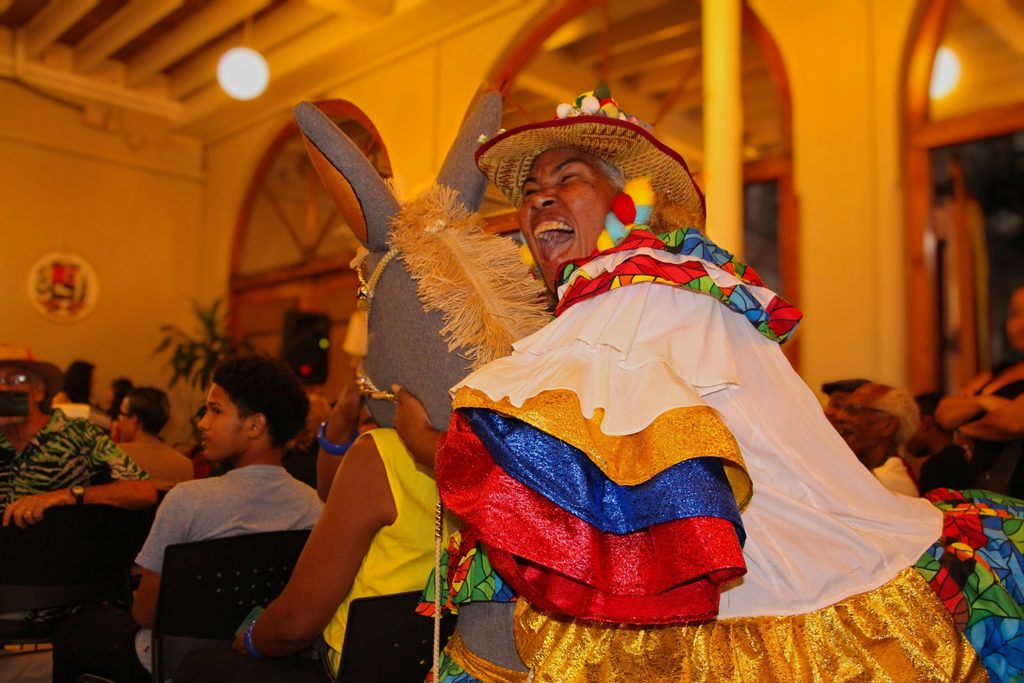
Music has also served different social purposes. Carnival gave calypso, steelband and soca important public stages. Jamaican sound-system culture encouraged deejaying, bass-heavy production and experimentation. Religious practices preserved rhythmic and vocal traditions, while social commentary allowed performers to address politics, inequality and daily life.
Diaspora communities later carried these sounds to Toronto, Montreal, New York, Miami, London and beyond. Today, you can explore music genres for every event while recognizing that each style comes from a distinct cultural setting.
Popular Caribbean Music Types
The following genres offer an introduction to the Caribbean’s musical range, from acoustic ensemble traditions to bass-driven studio production.
Reggae: Jamaica
Reggae emerged in Jamaica during the late 1960s, developing from ska and rocksteady. Its sound often centres on a strong bass line, steady drums and guitar or keyboard chords that emphasize the offbeat. The tempo may feel relaxed, but the rhythmic relationship between the instruments gives reggae its unmistakable momentum.
Reggae has carried messages about faith, identity, injustice, love and everyday life. Bob Marley and the Wailers brought the music to an international audience, while Peter Tosh, Burning Spear and Toots and the Maytals reveal how broad the genre can be. In 2018, UNESCO added reggae music of Jamaica to its Representative List of the Intangible Cultural Heritage of Humanity.
At an event, reggae can create a warm, easygoing atmosphere during cocktails or dining, then move into more energetic selections as guests begin dancing.
Ska and Rocksteady: Jamaica
Ska developed in Jamaica around the late 1950s and early 1960s. It combines brisk tempos, walking bass, prominent horns and sharp offbeat accents. Artists such as The Skatalites helped define its instrumental power, while singers including Desmond Dekker expanded its international reach.
By the mid-1960s, rocksteady slowed the pace. Bass became heavier, vocal harmonies gained space, and the sound grew more intimate. Alton Ellis and The Paragons were among its defining voices. Although rocksteady’s first period was brief, it formed an important bridge between ska and reggae.
Live ska brings upbeat, horn-led movement to a room, while rocksteady creates a smoother groove that works well for social dancing and relaxed listening. Both styles also continue through revival movements outside Jamaica.
Dancehall: Jamaica
Dancehall rose to prominence in Jamaica during the late 1970s and 1980s. It grew around dance venues and sound systems, where deejays delivered rhythmic vocals, known as toasting, over existing or newly produced riddims.
Digital production became increasingly important during the 1980s, giving dancehall a harder, more electronic sound. Performers such as Yellowman, Shabba Ranks, Buju Banton and later Sean Paul helped carry different eras of the genre beyond Jamaica.
Dancehall is related to reggae, but the two should not be treated as interchangeable. Reggae is often built around a band-oriented groove and sung melodies, while dancehall places greater emphasis on riddims, deejay delivery, sound-system performance and direct dance-floor impact.
For events, dancehall creates a bold, high-energy atmosphere. Song selection should consider the audience, setting and lyrical content.
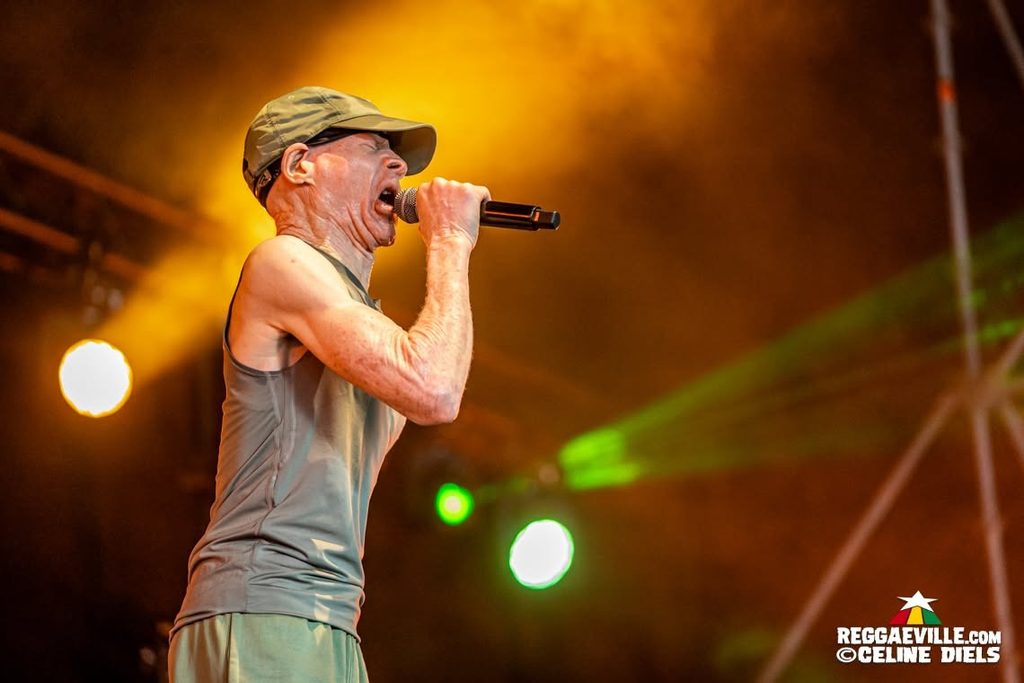
Source: https://www.facebook.com/share/p/14knvGtvAo2/
Dub: Jamaica
Dub developed in Jamaican recording studios during the late 1960s and 1970s. Producers and engineers rebuilt existing recordings by removing vocals, highlighting bass and drums, and adding echo, reverb, delay and other effects.
The mixing desk became an instrument in its own right. Figures such as King Tubby and Lee “Scratch” Perry transformed songs into spacious, unpredictable soundscapes in which individual sounds could appear, disappear and return in altered form.
Dub’s production methods helped shape remix culture, electronic dance music and hip-hop production. In a live setting, dub can provide a deep, atmospheric experience rather than a conventional singalong performance. It works especially well in creative festivals, late-night programs and DJ sets built around powerful sound systems.
Calypso: Trinidad and Tobago
Calypso is strongly associated with Trinidad and Tobago, where it developed through centuries of African and European cultural interaction and became central to Carnival. Calypsonians use melody, wordplay, humour and double meaning to tell stories or comment on politics, public figures and social life.
Lord Kitchener, Mighty Sparrow and Calypso Rose demonstrate the form’s lyrical intelligence and performance range. The music can be celebratory, but its purpose reaches far beyond entertainment. A calypso song may function as journalism, satire, oral history or public debate.
For live events, calypso offers character, storytelling and audience connection. It can add wit and cultural depth to a festival or reception, but it should not be used as a general label for all Caribbean party music.
Soca: Trinidad and Tobago
Soca developed in Trinidad and Tobago during the 1970s, building on calypso while drawing from other Caribbean and global influences. Ras Shorty I is widely recognized as a foundational figure, while artists such as Machel Montano later helped take the genre to international stages.
Soca generally emphasizes sustained rhythmic energy, repeated hooks and collective movement. It is central to Carnival road celebrations, fetes and competitions, where music must maintain momentum across large crowds.
The distinction between soca and calypso is not absolute, but their usual priorities differ. Calypso is closely associated with narrative, wordplay and commentary, while soca commonly places greater emphasis on dance, participation and physical energy.
At an event, soca can turn a receptive audience into an active one. It suits energetic entrances, festival stages and dance-floor peaks.
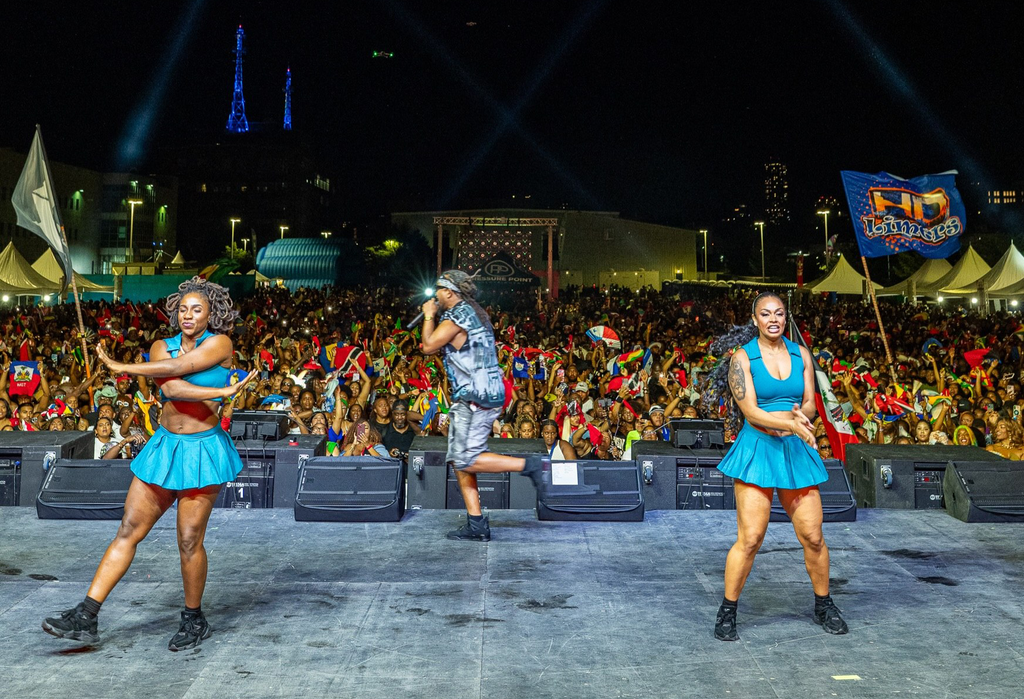
Source: https://www.instagram.com/p/Dc_kj_XDhRk/?hl=en&img_index=5
Steelpan and Steelband Music: Trinidad and Tobago
Steelpan is a tuned percussion instrument and the foundation of a larger steelband tradition, not one narrowly defined music genre. Developed in Trinidad and Tobago during the 1930s and 1940s, pans are made in different ranges so an ensemble can perform bass lines, harmony, inner voices and melody.
A steelband may play calypso and soca alongside jazz, classical music, pop or specially arranged repertoire. The instrument, sometimes called “steel drums” outside the region, is officially identified by Trinidad and Tobago as its national instrument.
A solo pannist can create a bright, elegant atmosphere for guest arrivals or cocktails. A larger steelband delivers greater visual and musical impact for festivals, wedding receptions and community celebrations.
Zouk: Guadeloupe and Martinique
Zouk developed in the French Antilles, particularly Guadeloupe and Martinique, and became internationally prominent during the 1980s. Kassav’ was central to its growth, combining Caribbean rhythmic traditions with polished arrangements, electric bass, guitars, synthesizers, horns and modern studio production.
The sound ranges from fast, propulsive dance music to smoother romantic forms. French and Antillean Creole lyrics are important parts of its identity, while touring and migration helped zouk reach audiences across the Caribbean, Africa and Europe.
At an event, zouk can create a sophisticated yet danceable mood. Antillean zouk should not be confused with Brazilian zouk dance, which developed through a related but separate musical and dance history.
Kompa (Compas Direct): Haiti
Kompa, also written as compas, developed in Haiti during the 1950s. Bandleader Nemours Jean-Baptiste is recognized as one of its foundational figures. The music is built around a steady dance pulse, interlocking guitar parts, bass, percussion, keyboards and, in many arrangements, a horn section.
Creole-language vocals may explore romance, social life, identity and the experiences of Haitian communities at home and abroad. The groove is consistent and flowing, making kompa especially well suited to partner dancing.
At weddings, cultural celebrations and private parties, kompa can keep the dance floor active without relying on the relentless speed of a peak-hour Carnival set. Its smooth momentum gives couples and groups room to settle into the rhythm.
Merengue and Bachata: Dominican Republic
Merengue is one of the Dominican Republic’s most recognized musical and dance traditions. Its fast duple rhythm is traditionally driven by instruments such as the tambora and güira, with accordion in merengue típico and saxophones, brass and keyboards in larger ensembles. Artists including Johnny Ventura and Juan Luis Guerra helped introduce different expressions of merengue to wider audiences. UNESCO recognizes Dominican merengue music and dance as intangible cultural heritage.
Bachata is distinct from merengue. It developed from guitar-based Dominican popular music and was once marginalized because of its working-class associations. Its characteristic sound includes lead and rhythm guitars, bass, bongó and güira, often supporting songs about love, separation and longing. José Manuel Calderón, Juan Luis Guerra and Romeo Santos represent different moments in its development into a global dance genre. UNESCO also recognizes Dominican bachata.
At an event, merengue brings immediate speed and group energy, while bachata offers a closer, more melodic partner-dance experience. Contemporary Dominican-Canadian performers such as Ana Lía also show how Dominican and broader Latin influences can take new forms within Canada.
Son Cubano and Salsa: Cuba, Puerto Rico and the Wider Diaspora
Son cubano developed in Cuba by combining African-derived rhythmic structures with Spanish-influenced melodies and string instruments. Ensembles commonly used tres, guitar, bongó, maracas, claves and bass, with trumpet later becoming a familiar part of the sound. Artists such as Arsenio Rodríguez and the members of Buena Vista Social Club helped introduce different periods of son to international listeners.
Salsa grew through continuous musical exchange. It draws heavily from Cuban forms, including son and mambo, while Puerto Rican musicians and other Caribbean communities played a central role in its development, particularly in New York during the 1960s and 1970s. The U.S. National Park Service’s history of salsa and migration reflects this transnational story.
Salsa creates social, interactive energy at weddings, festivals and corporate celebrations. Planners seeking Latin music for live events can also explore Habana Safari, whose repertoire connects traditional Cuban music with Afro-Cuban jazz.
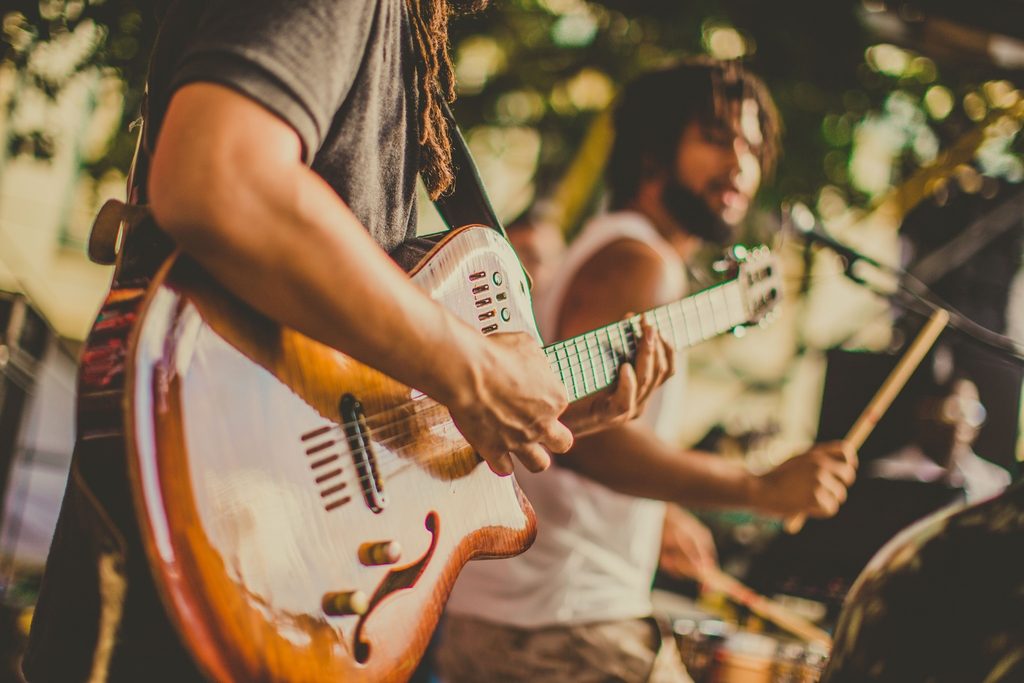
Reggaeton: Panama, Puerto Rico and the Caribbean Diaspora
Reggaeton has layered origins that cannot be accurately assigned to one place. Reggae en español developed in Panama as artists performed Jamaican reggae and dancehall in Spanish. During the 1990s, Puerto Rico became central to the formation of reggaeton through underground recordings, club culture and exchanges with hip-hop and dancehall.
The genre is known for its recurring dembow rhythm, electronic production and combinations of rapping, singing and melodic hooks. Artists such as Daddy Yankee and Tego Calderón helped define its international rise, while later performers brought it into the centre of global pop.
Reggaeton delivers a contemporary, bass-driven dance-floor experience. It can work especially well for younger or mixed-age audiences when the DJ balances recognizable tracks, lyrical suitability and the event’s broader musical direction.
How Caribbean Genres Connect and Influence One Another
Caribbean genres developed through conversation, adaptation and movement rather than isolated invention.
In Jamaica, ska slowed into rocksteady, which helped create the musical foundation for reggae. Studio experimentation turned reggae recordings into dub, while sound-system practices and deejay performance contributed to dancehall.
In Trinidad and Tobago, Carnival created a shared cultural setting for calypso, steelband and later soca. These traditions overlap in performance spaces and repertoire, even though each has its own musical role.
Migration carried Caribbean sounds into new creative centres. New York became crucial to salsa and hip-hop culture. London developed influential reggae, dub and sound-system communities. Toronto and Montreal brought together artists and audiences from across the English-, French- and Spanish-speaking Caribbean. Miami became another important meeting point for Caribbean and Latin music.
These movements also influenced bass culture, remixing, electronic dance music, Afrobeats and contemporary pop. The relationships are complex, so it is more accurate to speak of exchange than to claim that one Caribbean tradition directly created every later genre.
For programming that reflects this wider exchange, world music bands can offer repertoire built around specific musical traditions or thoughtful cross-cultural combinations.
How to Choose Caribbean Music for an Event
The right music depends on your audience, event format, desired level of energy and connection to particular cultures. Begin with the atmosphere you want, then identify the genres and performers capable of creating it.
- Weddings & Receptions: Steelpan can welcome guests during arrivals or cocktails. Reggae offers a relaxed social mood, while soca, kompa, salsa, bachata and reggaeton support different styles of dancing.
- Corporate & Private Events: A versatile band or one of our Party DJs can combine recognizable Caribbean selections with pop, R&B, dance and other parts of the event playlist.
- Festivals & Cultural Celebrations: Choose artists with genuine knowledge of the requested tradition, along with the ensemble size and stage presence needed for a large audience. Experienced festival music entertainment should work with the event’s cultural purpose as well as its technical demands.
- Carnival-Inspired Events: Soca, calypso, steelpan and Caribbean DJs can build a program around movement and audience participation. However, not every Caribbean celebration should be framed as Carnival.
- Mixed Cultural Programs: If the brief extends beyond Caribbean repertoire into flamenco or broader Latin sounds, performers such as Duende Kings may add another musical direction to the program.
Decide whether you want a featured performance, background music or continuous dance-floor coverage. A live band creates a strong visual and communal experience, while a DJ can move quickly between countries, decades and energy levels. Some events benefit from both.
Before booking, discuss:
- The islands, communities or genres you want represented
- Your audience’s age range and cultural background
- Required songs and songs to avoid
- Performance length and event schedule
- Stage size, power, sound and load-in requirements
- Whether the performers will lead dances or interact with guests
- Appropriate volume during cocktails, dinner and dancing
Sharing these details helps the booking team recommend suitable live bands for hire or DJs without making assumptions about what Caribbean music means to you.
Experience Caribbean Music with ONQ Live
Caribbean music can create warmth, movement, reflection or full dance-floor energy, but the best results come from choosing a sound that fits both the culture and the occasion.
We help event planners explore professional DJs, live bands, world-music acts, percussionists and other performers for weddings, festivals, corporate events and private celebrations. Tell us which genres and cultural traditions matter to you, who will be attending and how you want the event to feel.
Explore our artist roster and book an artist, or request a consultation so we can help you find performers who bring the right Caribbean-inspired sound and energy to your event.
Frequently Asked Questions
1. What are the main types of Caribbean music?
Major Caribbean music types include reggae, ska, rocksteady, dancehall and dub from Jamaica; calypso, soca and steelband music from Trinidad and Tobago; kompa from Haiti; zouk from Guadeloupe and Martinique; merengue and bachata from the Dominican Republic; and Cuban son, salsa and reggaeton from interconnected Caribbean and diaspora communities.
2. What is the difference between reggae and dancehall?
Reggae commonly uses a band-oriented sound built around bass, drums and offbeat guitar or keyboard accents. Dancehall developed later through Jamaican sound-system culture and places greater emphasis on riddims, deejay delivery and digital production. Both come from Jamaica, but their production styles, vocal approaches and performance traditions are distinct.
3. What is the difference between calypso and soca?
Calypso is strongly associated with lyrical storytelling, humour, political commentary and the calypsonian tradition. Soca developed later and generally emphasizes faster rhythms, repeated hooks and sustained dancing, especially during Carnival. The boundaries can overlap, but calypso often foregrounds the story while soca usually foregrounds movement and collective energy.
4. Is steelpan a music genre or an instrument?
Steelpan is a tuned percussion instrument created in Trinidad and Tobago. Steelband music refers to ensembles using pans in different melodic and harmonic ranges. These ensembles can perform calypso and soca, but they may also play jazz, pop, classical arrangements and other repertoire, so steelpan should not be treated as one narrowly defined genre.
5. Where did salsa and reggaeton originate?
Salsa developed through Cuban and Puerto Rican musical traditions and became strongly established among Caribbean communities in New York. Reggaeton has a different transnational history: reggae en español emerged in Panama, while Puerto Rico became central to the genre’s formation, underground scene and global rise. Both genres reflect migration and exchange across borders.
6. Which Caribbean music works best for weddings and parties?
The best choice depends on the guests and desired atmosphere. Steelpan suits arrivals and cocktails, reggae can support relaxed social moments, and salsa or bachata encourages partner dancing. Kompa offers a steady groove, while soca, dancehall and reggaeton can raise the energy later in the celebration.
7. Can I book Caribbean musicians or DJs for an event in Toronto?
Yes. ONQ Live can help you explore DJs, bands, percussionists, vocalists and world-music performers for events in Toronto and other locations. Share your preferred genres, cultural traditions, venue, audience, schedule and production requirements so we can recommend talent suited to the event rather than relying on a general Caribbean label.